
with Laurie Johnson and Anne Maree Wicks
When Shakespeare called the sisters in Macbeth “weird,” he did not mean what we mean by the word today. In early modern England, “weird” carried deep associations with fate, prophecy, and supernatural power—ideas rooted in classical mythology, medieval folklore, and Renaissance belief.
In this episode of That Shakespeare Life, we explore what “weird” really meant in the 16th and early 17th centuries, and how that meaning reshapes our understanding of one of Shakespeare’s most famous groups of characters. Joining me are Dr. Anne-Maree Wicks and Professor Laurie Johnson, co-authors of Weird Shakespeare: The Weird Sisters and Macbeth, whose research traces the shifting language, textual history, and performance traditions surrounding Macbeth’s enigmatic sisters.
Together, we examine why Shakespeare never actually uses the phrase “weird sisters” in the play itself, how early spellings like weyward complicate modern interpretations, and when editors began standardizing the word as “weird.” We also explore whether these figures may originally have been understood as fairies or nymphs rather than witches—and how later historical events, including witch trials and changing beliefs about the supernatural, shaped how audiences came to see them.
This conversation invites us to step back into Shakespeare’s world, where language was fluid, meanings were unstable, and the boundary between fate, folklore, and fear was anything but clear.
Download an unedited transcript of the show here.

Want to see the insider details while you listen?
If this episode sparked your curiosity, there’s more inside That Shakespeare Society. Explore the behind-the-scenes research for this episode, including original documents, portraits, and artifacts that let you see the history while you listen.
About Anne-Maree Wicks
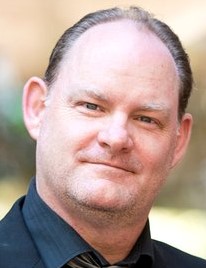
Dr. Anne-Maree Wicks is a scholar of early modern English literature with a focus on the cultural history of witchcraft and supernatural beliefs. Her research explores how concepts of the “weird” influenced perceptions of prophecy, fate, and the supernatural in Shakespeare’s time. Anne-Maree’s work reveals how these ideas shaped not only the Weird Sisters, but also the broader cultural context of early modern England.
About Laurie Johnson
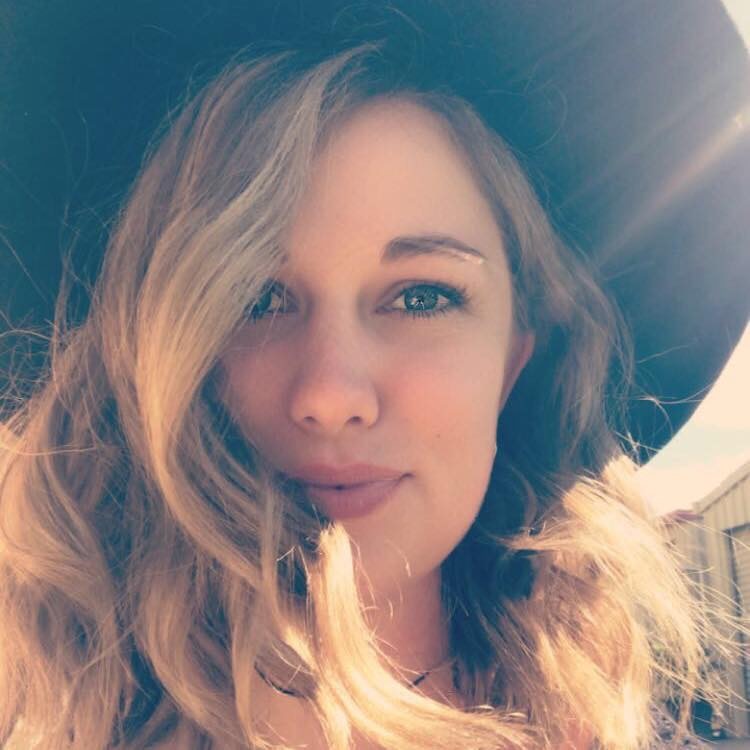
Professor Laurie Johnson is a leading authority on Shakespeare and Renaissance drama, with extensive research into performance history, textual studies, and the ways audiences have interpreted Shakespeare’s plays across centuries. His work examines how the textual variations of Macbeth impact our understanding of the Weird Sisters and offers new perspectives on what Shakespeare intended—and how the play has evolved.
Together, Anne-Maree and Laurie have co-authored Weird Shakespeare: The Weird Sisters and Macbeth, a fascinating exploration of what it meant to be “weird” in the 16th century and how these strange sisters continue to captivate audiences today.
What We Talk About
In this episode, we explore what the word “weird” meant in Shakespeare’s lifetime and why its meaning was very different in the 16th and early 17th centuries than it is today. With scholars Anne-Maree Wicks and Laurie Johnson, we examine how ideas of fate, prophecy, and the supernatural shaped early modern understandings of Macbeth’s mysterious sisters—and why Shakespeare never actually uses the phrase “weird sisters” in the play itself.
We also trace how later editors, performances, and historical events transformed these figures into the witches we recognize now, from early spellings like weyward to debates over whether the sisters were once imagined as fairies or nymphs. Along the way, we uncover how language, belief, and performance history combined to create one of Shakespeare’s most enduring—and misunderstood—groups of characters.
Where to Learn More
Raphael Holinshed, Chronicles of England, Scotland, and Ireland
Shakespeare’s primary source for Macbeth, including early references to the sisters and their prophetic role.
Anne-Maree Wicks & Laurie Johnson, Weird Shakespeare: The Weird Sisters and Macbeth
A detailed study of the word “weird,” its early modern meanings, and how textual variation and editorial history reshaped the sisters over time.
Simon Forman, Diary (1611)
A contemporary eyewitness account of seeing Macbeth performed at the Globe, describing the sisters as “fairies or nymphs.”
Early Modern Editions of Macbeth
Especially the First Folio (1623) and later 18th-century editorial editions by Lewis Theobald, Edward Capell, Samuel Johnson, and James Boswell, which influenced the standardization of “weird.”
Classical Sources on the Fates (Moirai)
For understanding the older mythological framework behind the idea of three prophetic figures tied to destiny.
Scholarship on Early Modern Witchcraft and Belief
Including studies of the Pendle Witch Trials (1612) and James I’s Daemonologie (1597), which shaped cultural attitudes toward witches, spirits, and supernatural beings.
Laurie Johnson, “Garbled Transmission” (article, available by request)
Explores textual instability and the transmission of Shakespeare’s plays, especially where no lifetime editions survive.
Further Reading on Weird Fiction and Genre Theory
For modern frameworks that help explain uncertainty, liminality, and unease as defining features of the “weird.”
Related Episodes:
Witch Trials with Marion Gibson
