
From the Episode:
Here’s the Chaucer quote from the Wife of Bath’s tale. The quote is taken from F. N. Robinson, ed.,The Riverside Chaucer, 3rd ed. (Oxford, Oxford University Press, 1988), 256.
“My felawe mordred is this same nyght, And in this carte he lith gapying upright. I crye out on the ministres,” quod he, “That sholden kepe and reulen this citee. Harrow! Allas! Heere lith my felawe slayn!”
The 1630 case mentioned in the conversation was one Laura found in her research at the London Metropolitan Archives. Laura relays that “The case was located in the Middlesex Quarter Sessions Records (MJ/SBR/5 fos. 45, 166).”
As of the publication of the article, I was unable to find a digital version of the case, but if you are local to London, you can look it up using the above details.
Laura shared one digitized record of a case for hue and cry, provided here: You’ll find scattered hue and cry cases in many court records. Most of the sources I used were not digitized (Norfolk Record Office, NCR 5B/1-9). In terms of digitized records, I would point you towards Isaac Herbert Jeayes, ed. Court Rolls of the Borough of Colchester. 3 vols. (Colchester: Town Council of the Borough of Colchester, 1921-41); Reginald R. Sharpe, ed. Calendar of Coroners’ Rolls of the City of London: A.D. 1300-1378 (London: Richard Clay and Sons Limited, 1913); and H.E. Salter, ed. Records of Mediaeval Oxford. Coroners’ Inquests, the Walls of Oxford, Etc. (Oxford: The Oxford Chronicle Company, 1912). The references are brief but scattered throughout all of these texts.
The term “hue and cry” may have originated from the Latin phrase hutesium et clamor, which means “a horn and shouting”. The words “hue” and “cry” come from the Old French words huer, which means “to shout”, and crier, which means “to cry”. (Source)
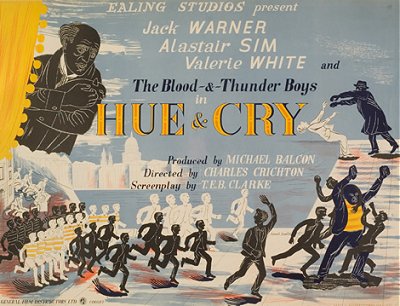
Movie from 1947: https://filmsonthebox.wordpress.com/2015/09/12/hue-and-cry-1947/
Most records say “A hue was raised” and we do have records of a pursuit going on after raising a hue, so there was action being taken and attention being received. There’s a brief hue description in Chaucer.
One case where a couple were accused of raising the hue on each other. Some questions about flexibility of any sound that disrupted the community and then gets reported to the court.
Once the shout happens, it does get reported to the courts. Mechanisms that make that happen are neighbors going to the court and reporting the hues that were raised.
One case in Exeter, fined for failure to respond to hue and cry.

https://murrayslegal.com.au/hue-and-cry/
The hue and cry was available for anyone to use, but the punishments were more often enacted for people who did not raise a hue and cry when it was warranted more than for raising it unnecessarily.
While there were some public officials, including sheriffs, marshalls, and even constables, available to help in local towns, there was rarely anything in the way of a formal police force.
By Shakespeare’s day there’s roughly 800 people patrolling the streets of London at any given time…
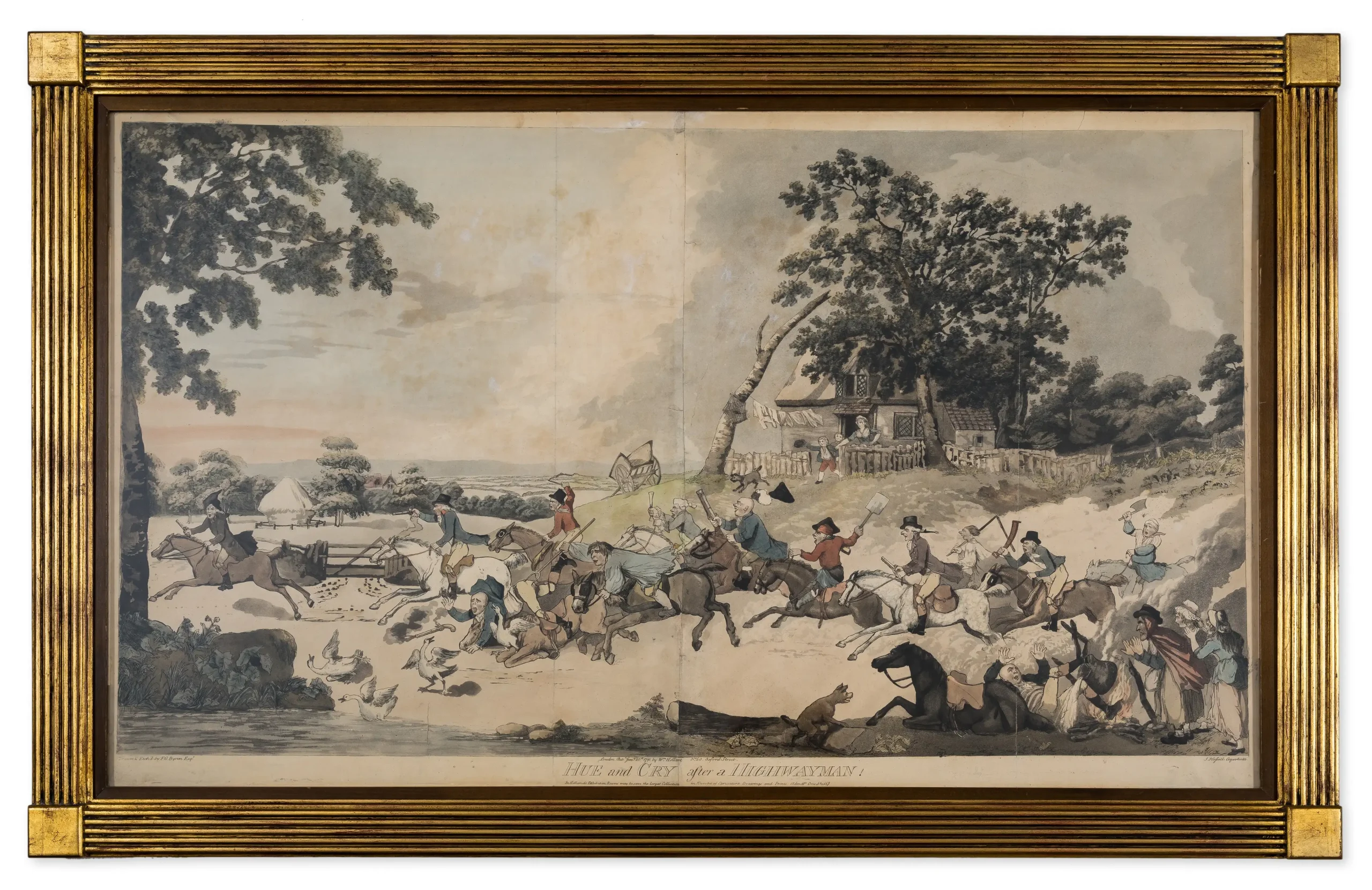
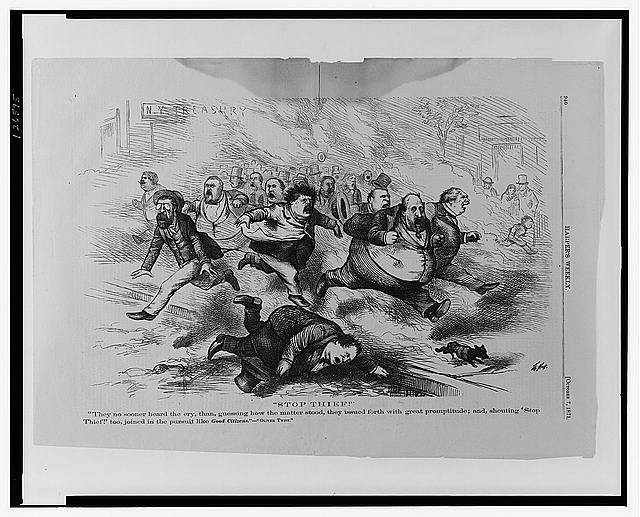
Over the course of the Middle Ages, [hue and cry] became a lot less common, and that’s why we see penalties for it being used inappropriately. Typical amount varies by case and region, in East of England—where it is more common for longer, the fines are averaging 8-12pence, whereas in the southwest, Devon and Cornwall, average of 4pence.
1630—proprietor of an ale house license removed because he failed to raise hue and cry when a murder happened in his establishment.
